BMT-09.02 Executive Summary#
BlueMirror.tech | May 2026#
Sandra Okafor runs enrollment operations for a PACE program in Greensboro, North Carolina. When her program added BlueMirror to the benefit, her first questions were operational: would she need to install hardware in every home, teach a seventy-nine-year-old with cognitive impairment to use a new device, or manage failures when a participant had no WiFi? The deployment architecture answers each question differently depending on the subscriber’s situation.
Subscribers reach BlueMirror through three channels. Institutional channels (MA plans, PACE programs, employer benefits, care agencies) account for approximately 85 percent of subscribers. The institutional channel bundles acquisition, funding, and often hardware provisioning into a benefit the subscriber already receives. Provider-mediated channels (physician referrals, hospital discharge planning) account for 10 percent. Direct-to-consumer, where adult children or seniors enroll directly, accounts for the remaining 5 percent.
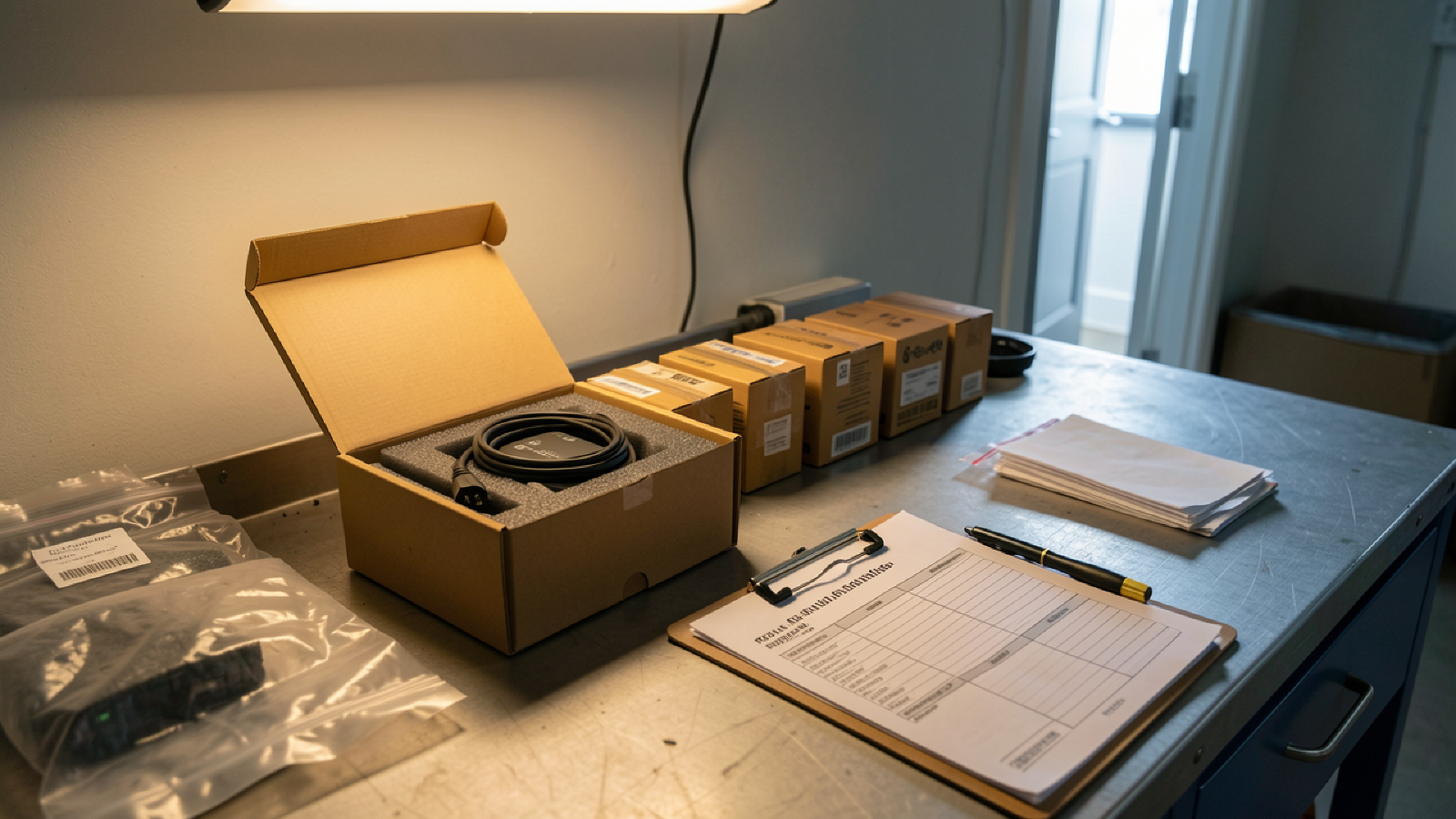
Hardware determination happens at enrollment through three questions: does the subscriber have a smartphone, does it meet Zone 1-Phone requirements, and does the subscriber want or will the channel provide a dedicated Local Pane device? The answers determine the initial deployment path. For PACE enrollees, the program typically makes the hardware decision at the organizational level. For MA plan enrollees, the plan usually funds only the subscription. For direct-to-consumer enrollees, the adult child or subscriber decides.
Onboarding differs by path but converges on the same outcome: a subscriber whose system already knows her. A Path A subscriber (Zone 1-Dedicated) plugs in a device, connects to WiFi, and completes a three-minute voice enrollment. A Path C subscriber (Zone 1-Phone) downloads an app and runs a device capability check. A Path F subscriber (No Zone 1) calls an IVR number from any phone, including a landline, and completes a spoken enrollment. Across all paths, the first interaction demonstrates that the Memory of Context is pre-populated from enrollment data and channel partner records. The system greets her by name and confirms her medication list, care team, and emergency contacts.
The first twenty-four hours are calibrated to build trust without overwhelming: a morning check-in, medication confirmations, and a baseline conversation that establishes interaction preferences. Cognitive baselines are established on day one regardless of path, running on whatever zone handles the processing for that subscriber’s deployment.
Subscribers can move between paths without data loss. A Path F subscriber who later acquires a qualifying smartphone migrates to Path C or D. A Path C subscriber whose family buys a Local Pane device migrates to Path A or B. The Memory of Context, preferences, and personalization follow the subscriber across every transition. Migrations are logged and disclosed.
The subscriber who says no to every device is served through a web interface, an IVR system, or text message. The product is the same product with a thinner client. Sandra enrolled her first twelve PACE participants in a single afternoon: eight with Local Pane devices, three on smartphones, one through a ten-minute phone call. All twelve were operational by dinner.
The full article details the enrollment workflows, onboarding sequences, hardware upgrade paths, and the Path F subscriber experience at bluemirror.tech.