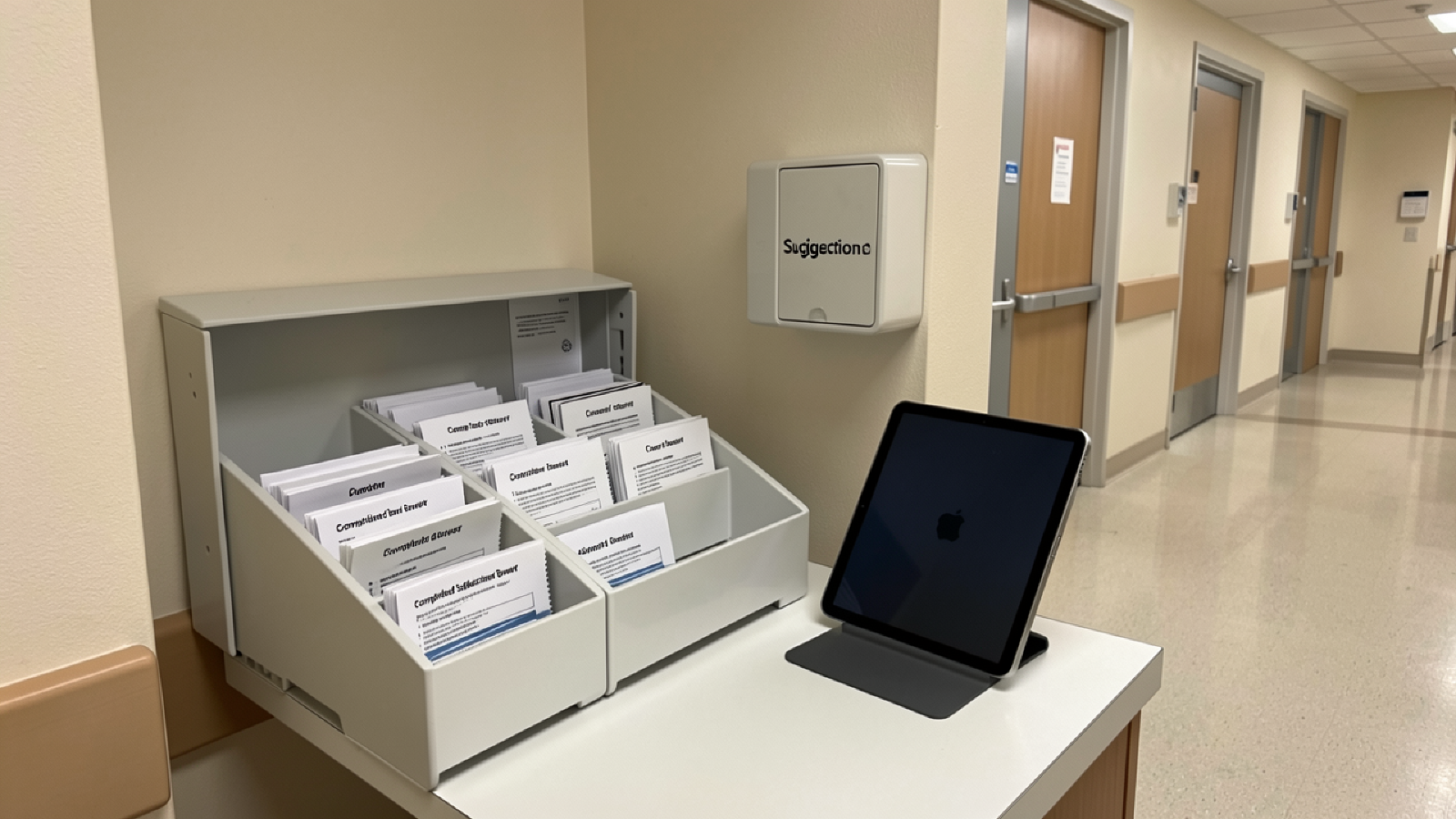
A PE-owned physician practice in suburban Denver carries a 3.2-star Google rating across forty-seven reviews. The practice administrator knows the rating is a problem but has never analyzed the reviews systematically. The patient experience concierge’s first analysis reveals a pattern: 78% of the negative reviews mention the same three issues. Long wait times despite scheduled appointments. Difficulty reaching the office by phone, with multiple reviewers describing unanswered calls and unreturned messages. Feeling rushed during the visit, with patients reporting that the physician seemed hurried and inattentive. These are not personality complaints. They are operational failures with operational solutions. The scheduling concierge (BOI-01.06) can address wait time patterns by analyzing the gap between scheduled and actual appointment durations. The communication system can address phone accessibility through staffing adjustments and callback protocols. The staffing concierge (BOI-01.12) can address rushed appointments by analyzing provider workload against panel size and appointment template design. But nobody connected the review data to the operational agents until the experience concierge made the link explicit.
Patient experience is where the operational concierge architecture meets the consumer concierge architecture at the most visible intersection. The patient who reviews an imaging center on Google is the same person whose health concierge coordinated the appointment through the consumer platform. The client who rates a home care aide is the same person whose caregiver concierge helped select the agency. The patient experience concierge sits at this intersection, tracking satisfaction, managing reputation, optimizing communication, and measuring access metrics from the entity’s operational perspective, while the consumer concierges manage the same experience from the person’s perspective. Neither view alone is complete. Together they create a feedback loop that improves both sides.
Four functions compose this agent’s work. Satisfaction tracking goes beyond aggregate scores to identify specific drivers of satisfaction and dissatisfaction. The concierge manages patient satisfaction surveys, including CG-CAHPS for physician practices and custom instruments designed for specific entity types. Post-visit feedback collection captures experience data while the visit is fresh. Longitudinal satisfaction trending reveals whether changes in operational patterns affect patient perception over time. The critical output is not the score itself but the driver analysis: what specifically makes patients satisfied or dissatisfied, and which drivers are actionable through operational changes versus which reflect factors outside the entity’s control.
Reputation monitoring tracks the entity’s public perception across review platforms including Google, Healthgrades, Yelp, and specialty-specific sites. Sentiment analysis identifies recurring themes in review text, distinguishing one-off complaints from systemic patterns. Response management helps entities engage with reviews appropriately, acknowledging legitimate concerns without violating patient privacy. Competitive reputation comparison benchmarks the entity’s online presence against nearby competitors, identifying reputation gaps that may affect patient acquisition. A practice with 47 reviews and a 3.2 rating competing against a practice with 280 reviews and a 4.6 rating faces a discoverability and credibility gap that operational improvements alone cannot close.
Communication optimization learns how each patient prefers to be contacted and what communication patterns produce the best outcomes. Appointment reminders by text reduce no-show rates more effectively than phone calls for some patient populations and less effectively for others. Follow-up communication timing affects both satisfaction scores and clinical outcomes: a post-procedure check-in call at twenty-four hours demonstrates care; the same call at seventy-two hours feels perfunctory. Patient education delivery matched to the recipient’s health literacy level and communication preference improves comprehension and adherence. The concierge learns what communication style and timing each patient responds to and adapts accordingly.
Access metrics measure the operational dimensions of patient experience that directly affect satisfaction and retention. Time to next available appointment indicates capacity adequacy and scheduling efficiency. Wait time at the visit measures the gap between the scheduled appointment time and the actual encounter start. Phone answer rates and hold times quantify the communication accessibility that review data consistently identifies as a satisfaction driver. Portal response times measure the digital accessibility that younger patients increasingly expect. After-hours access availability, whether through nurse lines, on-call providers, or patient portal messaging, affects both satisfaction and clinical outcomes. Each metric is benchmarked against portfolio peers and national standards.
The consumer bridge through the membrane is what distinguishes this agent from a conventional patient experience platform. The consumer health concierge coordinates Margaret’s imaging appointment through the consumer platform. The imaging center’s patient experience concierge tracks Margaret’s experience from the entity’s perspective. If Margaret reports long wait times to her health concierge, that feedback flows through the membrane, with Margaret’s consent, to the imaging center’s experience concierge as a quality signal. The feedback is anonymized and aggregated: the imaging center learns that consumer platform users report higher wait time dissatisfaction, not that Margaret specifically complained. Conversely, if the imaging center’s experience concierge identifies a systemic access problem, perhaps appointment availability dropped because a technologist resigned, that information helps the consumer concierge route future appointments to imaging centers with better current availability. Two-sided intelligence. The consumer side knows what the patient values. The operational side knows what the entity delivers. The membrane connects them without exposing either side’s full data to the other.
Portfolio benchmarking enables experience improvement through comparison rather than mandate. Patient satisfaction score comparison across entities reveals which practices consistently receive higher ratings and what operational patterns correlate with those ratings. Access metric benchmarking identifies best-in-portfolio performance on specific dimensions: which entity answers phones fastest, which has the shortest time to next available appointment, which achieves the highest portal adoption. Online reputation comparison surfaces entities whose public perception lags their actual service quality, indicating a reputation management gap, versus entities whose reputation exceeds their operational performance, indicating a sustainability risk. The portfolio view enables experience improvement by surfacing what works. Not by imposing one entity’s approach on all others, but by making the information available so each entity can adapt the principle to its own context.
The financial case for patient experience connects satisfaction to revenue through measurable pathways. Patient retention rates correlate with satisfaction scores. A patient who rates an experience poorly is significantly more likely to seek care elsewhere for the next visit. Online reputation affects new patient acquisition: prospective patients search Google, read reviews, and choose providers partially based on ratings. Payer quality programs increasingly include patient experience measures in their scoring, linking experience directly to reimbursement. The experience concierge connects satisfaction data to revenue impact, making the return on experience improvement investments calculable rather than aspirational.
The patient experience concierge operates at moderate autonomy (0.50). It collects satisfaction data, monitors reviews, tracks access metrics, and generates driver analyses autonomously. It recommends communication adjustments and identifies operational issues that affect experience. But it does not respond to reviews publicly, modify communication protocols, or implement workflow changes without human approval. Patient-facing communication carries reputation risk that requires human judgment.
Cross-References
BOI-01.06 “The Scheduling and Throughput Concierge” addresses wait time as both a scheduling optimization target and a patient experience metric, connecting operational throughput to satisfaction outcomes.
BOI-01.12 “The Staffing and Workforce Concierge” examines how staffing levels and provider workload affect the rushed-visit experience pattern that review data frequently identifies.
BOI-01.15 “The Quality and Outcomes Concierge” manages the clinical quality dimension that complements experience measurement: quality tracks whether care was good; experience tracks whether care felt good.
BOI-01.16 “The Referral and Relationship Concierge” connects patient experience to referral willingness, since referring physicians consider their patients’ reported experience when choosing where to send referrals.
BMT-01.02 “The Health Concierge” describes the consumer-side coordination that produces the appointment experiences this agent tracks from the entity perspective.
Technical Appendix BOI-01.17-A is available to partners and investors at partners.bluemirror.tech.